iRex 360 degree rotatable LED Double surface mode About
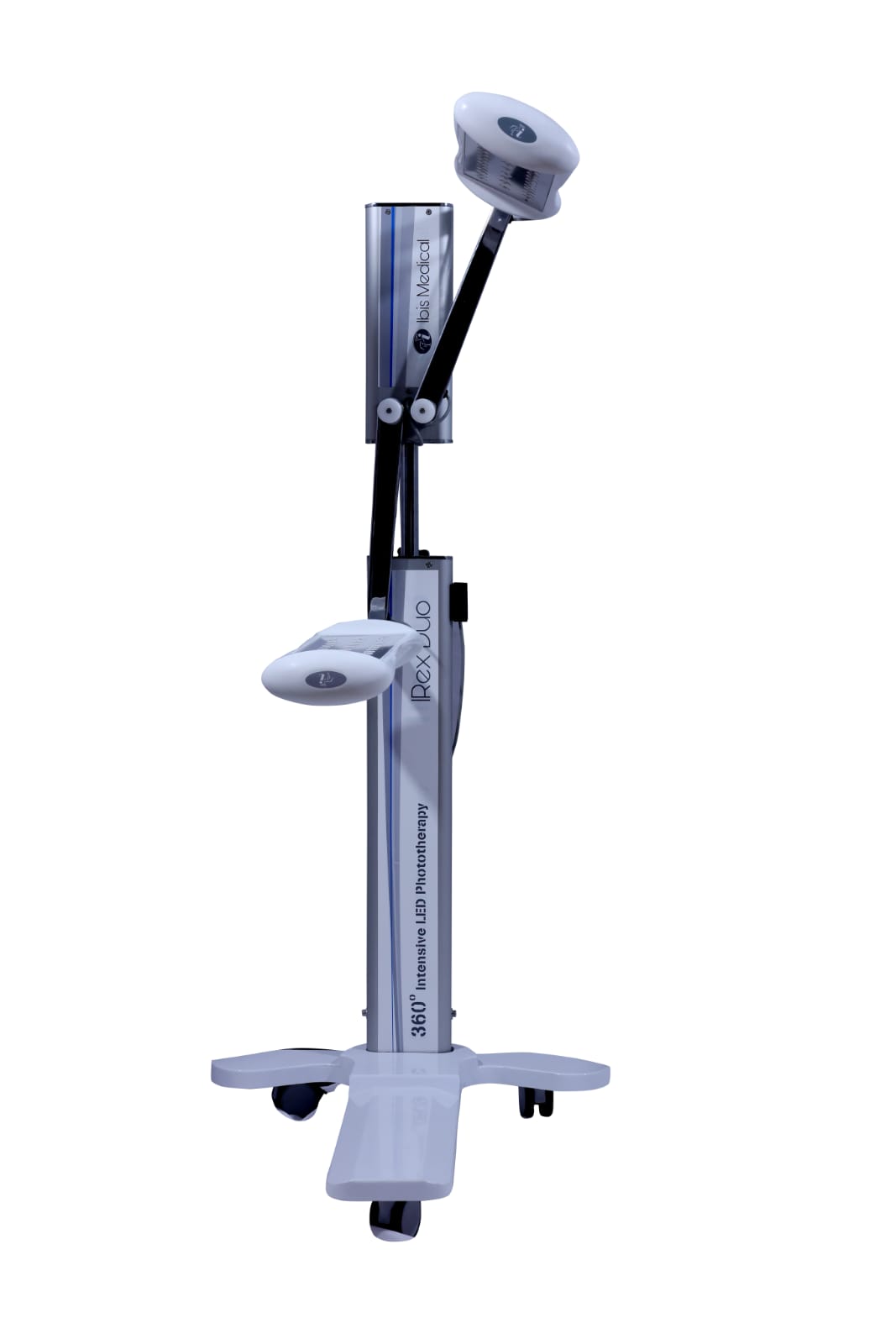
The iRex Duo, world first rotatable 360 phototherapy is a Single Unit having a Double Effect in treating neonatal jaundice.
iRex Duo has dual arm facility. iRex Duo comprises of high efficiency well, calibrated LED phototherapy unit which is designed to operate within the AAP parameters of treating severe cases of jaundice in neonates, optimally and economically.
Features:
- iRex has dual arm facility: This dual arms allow the physician to modulate the angle of light to provide the maximum desired intensity to cover the maximum body surface area.
- iRex Duo is provided with a radiometer measure the actual intensity of light delivered at babys skin level.
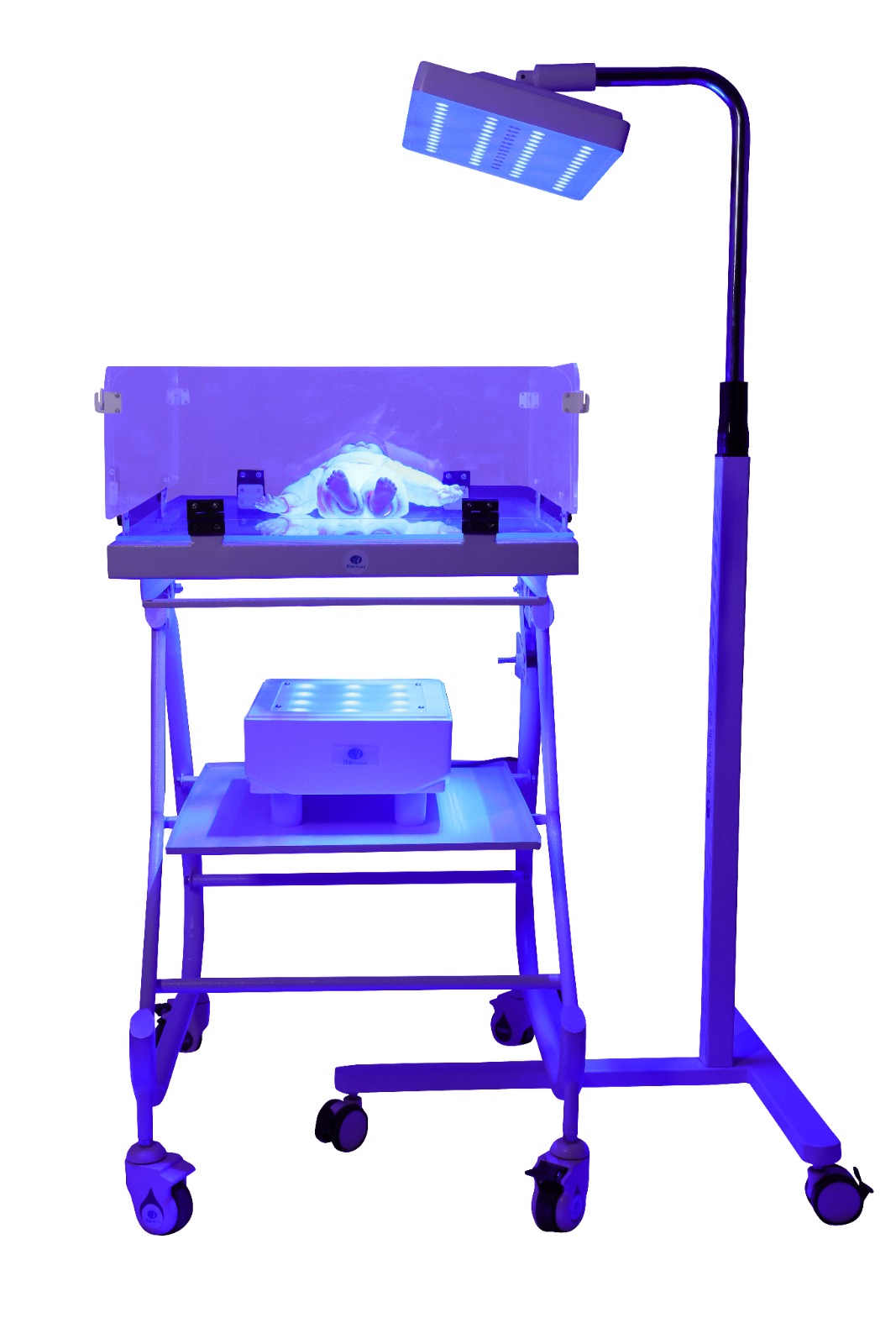
- iRex Duo can be used as a single surface phototherapy or as a double surface unit. iRex Duo can be used in conjunction with any radiant warmers.
Why Choose Double Surface LED Phototherapy?The iRex 360o employs a unique double surface mode, exposing both the top and bottom of the infant to therapeutic light. This ensures more rapid and effective bilirubin breakdown, essential for treating neonatal jaundice. Combined with 360-degree adjustable arms, clinicians can achieve optimal light coverage for every patient.
User-Friendly Operation with Advanced ControlsIntegrated programmable timers, intensity controls, and a digital LED display offer precision and ease during treatments. Automated and manual modes allow healthcare staff to tailor exposure to clinical needs, while audio-visual alarms and auto-shutdown give clear status feedback and enhanced operational safety.
FAQ's of iRex 360 degree rotatable LED Double surface mode:
Q: How does the 360-degree rotation and double surface mode benefit neonatal jaundice treatment?
A: The 360-degree rotatable dual arms and double surface LED panels ensure full-body light exposure, enhancing the breakdown of bilirubin in newborns. This configuration minimizes shadowing, ensures uniform therapy, and often results in faster treatment outcomes compared to single-surface devices.
Q: What procedures should clinical staff follow for proper usage and adjustment of the iRex 360?
A: Set the device near the incubator or cradle, adjust the arms and lamp height for optimal exposure, and use the digital interface to set timer and intensity levels as required. Always check that the infant's eyes are adequately shielded before commencing therapy. The device provides real-time feedback and can be operated in either automatic or manual mode.
Q: When is it ideal to use the iRex 360 LED system in a clinical setting?
A: The iRex 360 is specifically designed for use in Neonatal Intensive Care Units (NICUs), hospitals, and pediatric care facilities for treating infants diagnosed with jaundice who require intensive phototherapy. Its robust safety and monitoring features make it safe for continuous clinical use.
Q: Where can this phototherapy system be effectively utilized within a hospital?
A: Thanks to its mobile base with lockable caster wheels, the iRex 360 can be easily moved and securely stationed in various areas, including neonatal intensive care units, pediatric wards, or bedside in maternity units. Its compact, stable footprint allows for flexibility according to space and patient needs.
Q: What safety features are incorporated to protect patients and operators?
A: The device integrates multiple safety mechanisms: automatic thermal cutoff to prevent overheating, a child-safe design, efficient air convection for silent cooling, AV alarms for critical alerts, and automatic shutdown. The medical-grade build further minimizes any risk during therapeutic procedures.
Q: How does the adjustable height and programmable controls improve workflow and treatment effectiveness?
A: The height-adjustable arms (up to 1.7 meters) accommodate various bedding types, while programmable timers and digital controls streamline therapy setup, letting staff focus on patient care. The ability to tailor light intensity and duration supports both standard protocols and patient-specific needs.
Q: What are the main benefits of using LED technology with long lamp life in this device?
A: The iRex 360's LED lamps offer a typical lifespan of 50,000 hours, reducing maintenance and downtime. LEDs also provide high-intensity, consistent light output with minimal heat emission, which is crucial for safe and effective neonatal care.







 Send Inquiry


 Send Inquiry
 Send Inquiry
 Send SMS
